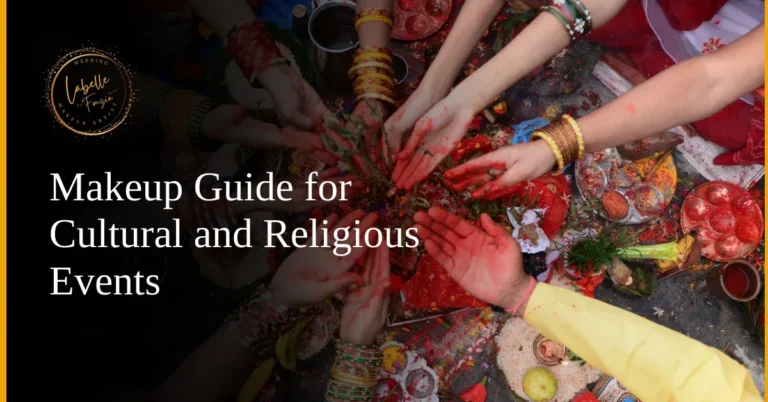
Makeup for cultural and religious events goes beyond aesthetics; it plays a significant role in honoring traditions, customs, and values. Whether you’re attending a religious ceremony, celebrating a cultural festival, or preparing for a traditional wedding, understanding the unique makeup requirements for such events is essential. For those who want to ensure their look aligns perfectly with the occasion, choosing the right makeup artist can make all the difference, as professionals bring both expertise and sensitivity to cultural and religious contexts. Makeup for these occasions must be respectful of cultural norms while also allowing room for individual expression and creativity.
Makeup for Traditional and Religious Ceremonies: Respecting Cultural Norms
Religious and traditional ceremonies often have deep-rooted cultural expectations that influence how people present themselves, including makeup. Whether it’s a Christian wedding, a Hindu religious festival, or a Muslim celebration, makeup must align with the specific expectations of the community.
- Understanding Religious and Cultural Guidelines: Many religious events have guidelines on modesty, colors, and overall presentation. For instance, certain religions may prefer minimal or natural makeup, while others allow more vibrant looks.
- Modesty in Makeup: Some religious traditions emphasize modesty, which can affect makeup choices. In conservative cultures, makeup should enhance natural beauty without appearing too bold or glamorous.
- Appropriate Use of Color: Certain events or traditions may have specific color palettes that hold symbolic meaning. For instance, red is a dominant color in Indian weddings, symbolizing prosperity and purity, while white often symbolizes peace and spirituality in many cultures. Choosing the right colors in makeup can be just as important as the look itself.
Example: A Muslim bride may choose a more muted, modest makeup look to align with traditional customs, especially for religious ceremonies such as the Nikah (Islamic wedding ceremony). The makeup should be soft, focusing on enhancing natural beauty rather than drawing too much attention.
Bridal and Special Event Makeup in Different Cultures: Exploring Global Trends
Bridal makeup, in particular, varies widely across cultures, with each having its own signature looks, techniques, and symbolic elements. Understanding these global trends is key to ensuring makeup complements the cultural significance of the event.
- Indian Bridal Makeup: Indian brides often wear bold, dramatic makeup to complement the rich, colorful attire. Heavy eye makeup, vibrant lip colors, and perfectly contoured cheeks are common. The use of golds, reds, and intricate designs like bindis or henna on the forehead are traditional elements.
- East Asian Bridal Makeup: In countries like China and Japan, bridal makeup is usually more subtle and emphasizes flawless, porcelain-like skin. Soft pinks, pastels, and minimalistic styles dominate, focusing on enhancing the bride’s natural beauty.
- African Bridal Makeup: In many African cultures, bold colors and intricate patterns are often used to reflect the celebratory nature of weddings. Bright eyeshadows, rich lip colors, and even face painting or tribal markings are popular in traditional African bridal makeup.
- Western Bridal Makeup: Western bridal makeup often aims for a classic, timeless look. Soft, neutral tones are used to highlight the bride’s features, focusing on creating a flawless, glowing complexion.
Example: For an Indian wedding, a makeup artist may use bold colors like gold and red, heavily define the eyes with kohl, and incorporate shimmering highlighters to ensure the bride stands out under the wedding lights. The makeup should last through long ceremonies, which means focusing on long-lasting products and traditional details like a bindi.
Festival and Celebration Makeup: From Diwali to Eid and Beyond
Cultural festivals are joyous occasions where makeup plays a key role in expressing the celebratory spirit. Festivals often encourage creativity, with bold colors and shimmering finishes reflecting the vibrancy of the event.
- Diwali Makeup (Indian Festival of Lights): Diwali calls for bright, radiant makeup that reflects the joy and festivity of the celebration. Bold eyes with metallic finishes, dewy skin, and bright lips in shades of red or pink are popular choices. Gold eyeshadow or highlighter is often used to enhance the festive glow.
- Eid Makeup (Islamic Festival): For Eid, the makeup is usually elegant and sophisticated. Subtle smokey eyes, a well-defined brow, and soft lips are common. The makeup should be celebratory yet modest, respecting the occasion’s spiritual significance.
- Chinese New Year Makeup: During Chinese New Year, red is the dominant color, symbolizing luck and prosperity. Makeup often includes bold red lips, flawless skin, and elegant eye makeup to complement the traditional red attire worn for the occasion.
- Carnival Makeup (Brazil): Carnival makeup is a chance to be bold and creative. Glitter, bold eyeshadows, face gems, and neon colors are used to create dramatic, playful looks that reflect the festive and free-spirited atmosphere.
Example: For Diwali, a makeup artist may focus on creating a radiant, glowing complexion with bronzer and highlighter, pairing it with gold and bronze eyeshadow for a festive, shimmering effect. The look may be completed with a bright lip color that complements traditional Indian attire.
Creating Looks that Align with Tradition but Incorporate Modern Elements
While traditional makeup looks often have a rich history, modern elements can be incorporated to create a fusion look that respects tradition while staying contemporary. This is particularly common in weddings and cultural celebrations, where brides or attendees want to honor their heritage while also embracing modern trends.
- Balancing Tradition and Innovation: It’s important to maintain the integrity of traditional makeup while incorporating modern techniques like airbrushing, contouring, or highlighting for a more polished look.
- Incorporating Western Influences: For brides or event attendees who want a blend of traditional and contemporary, Western techniques such as nude lips, soft glam eyes, or minimalistic styles can be infused with traditional colors or symbols.
- Minimalist Twist on Traditional Makeup: For those who prefer a lighter touch, traditional makeup can be pared down to simpler, more refined looks while maintaining key cultural elements. This could mean swapping heavy kohl eyeliner for a softer, smudged look or choosing muted, neutral tones for lips while still incorporating traditional elements like a bindi or henna.
Example: A modern Indian bride may choose a traditional red or maroon lehenga (bridal attire) but opt for a modern twist in her makeup with softer eyeshadow and nude lips instead of the traditional bold red lipstick, balancing cultural significance with personal style.
Tips for Working with a Makeup Artist for Cultural and Religious Events
When hiring a makeup artist for a cultural or religious event, it’s essential to ensure they understand the specific requirements and expectations tied to the occasion. Here are some key tips:
- Communication is Key: Clearly communicate your cultural or religious requirements to the makeup artist. Provide references or examples of traditional looks, so they know exactly what you expect.
- Finding a Specialist: Seek a makeup artist who has experience with cultural or religious makeup. A specialist will understand the nuances and symbolism behind certain styles and will be more attuned to creating a look that honors tradition.
- Trial Runs: Always book a trial makeup session for major events like weddings or religious festivals. This ensures that both you and the makeup artist are aligned, and any adjustments can be made before the actual day.
- Product Sensitivity: If the event involves certain religious restrictions (e.g., halal makeup for Islamic weddings), ensure that the makeup artist uses appropriate products that align with these needs.
Example: For a South Asian wedding, a makeup artist might need to familiarize themselves with traditional elements like the use of bold, kohl-lined eyes or bright red lipstick, while also ensuring that the products used are halal or cruelty-free, depending on the bride’s preferences.
Conclusion
Makeup for cultural and religious events requires a deep understanding of the traditions and customs associated with the occasion. Whether you’re preparing for a religious ceremony, a traditional wedding, or a cultural festival, makeup should be respectful of the event’s significance while also allowing room for creativity and personal expression. By understanding the specific requirements of different cultures and events, makeup artists can create looks that are both beautiful and meaningful, ensuring that their work not only enhances the individual’s appearance but also honors the rich traditions that shape these occasions.
FAQs
What considerations should be made to respect cultural norms in traditional and religious makeup?
Understand the specific cultural or religious guidelines regarding appearance, such as modesty or color preferences. Use appropriate symbols or styles, ensure makeup enhances rather than overshadows, and consult with individuals from the culture to honor traditions accurately.
How do bridal makeup traditions vary across different cultures, and what modern elements can be incorporated?
Bridal makeup varies in color schemes, techniques, and symbolic elements across cultures. Modern elements like long-lasting formulas, contemporary color palettes, and subtle enhancements can be integrated while respecting traditional styles, creating a blend of heritage and current trends.
What makeup styles reflect the vibrancy and joy of global celebrations like Diwali or Eid?
Use bright, festive colors like golds, reds, and vibrant hues. Incorporate glitter, intricate eye designs, and bold lip colors. Enhance features with shimmering highlighters and use decorative elements like henna-inspired patterns to celebrate the joyous atmosphere.
How can one blend traditional makeup elements with contemporary trends for cultural events?
Incorporate traditional colors or patterns with modern techniques and products. For example, use a classic eyeliner style with a contemporary eyeshadow palette, or blend traditional embellishments with current highlighter trends, creating a harmonious fusion of old and new.
What are the best practices for creating makeup looks that honor cultural heritage while staying current?
Respect traditional guidelines and symbols, use high-quality products for longevity, and stay updated with modern trends. Balance heritage elements with contemporary styles by adapting techniques and incorporating subtle, current touches that maintain the cultural essence.